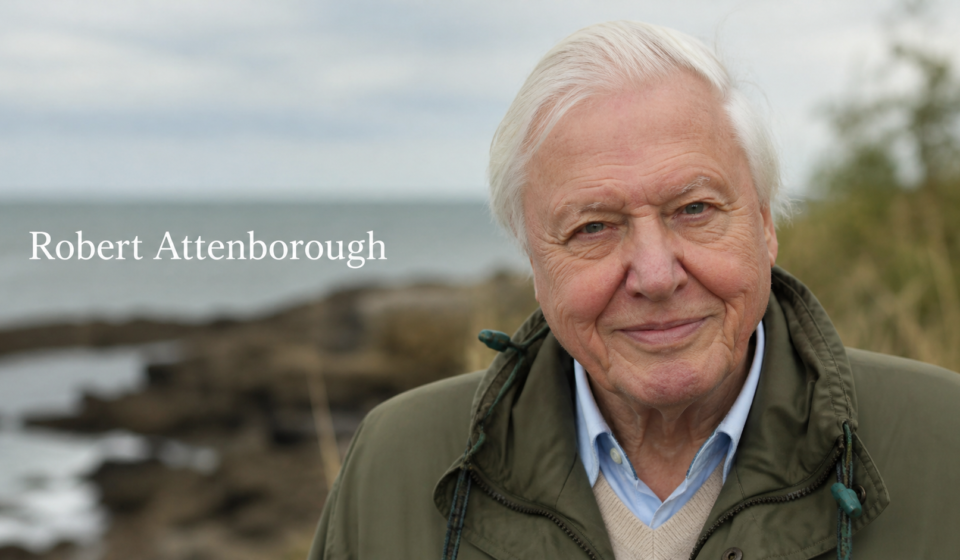

Introduction to Robert Attenborough
Robert Attenborough is a name that resonates deeply within the realms of nature conservation, environmental education, and wildlife documentaries. Born into a family of notable figures, Robert’s life and career have been significantly influenced by his passion for the natural world. However, his journey is often overshadowed by his brother, Sir David Attenborough, one of the world’s most renowned broadcasters and naturalists. Despite this, Robert has forged his own path in the field of conservation, leaving behind a legacy that deserves recognition. In this article, we explore his life, his achievements, and the lasting impact he has had on conservation efforts around the globe.
Early Life and Background
Born in 1928, Robert Attenborough was the younger sibling of David Attenborough, growing up in an environment that nurtured a love for the natural world. Their father, Frederick Attenborough, was a university lecturer, while their mother, Mary, was a housewife. Raised in Leicester, England, Robert’s early exposure to the beauty of nature and the importance of knowledge laid the foundation for his future endeavors.
Robert’s academic journey took him through Cambridge University, where he honed his interest in the sciences. His studies and love for nature were further developed during his time at university, preparing him for the roles he would take on in his professional life.
The Career Path of Robert Attenborough
While David Attenborough took the limelight in the world of television and documentaries, Robert Attenborough’s career was more behind the scenes but no less impactful. After his education, Robert pursued a career in the field of education and museum curation. He spent significant time working as a director for the prestigious London Zoo, where he focused on enhancing the public’s understanding of wildlife and the importance of conservation.
His work at the zoo was not only about presenting wildlife to the public but also about crafting educational experiences that inspired future generations of environmentalists. His role was pivotal in bridging the gap between public education and scientific understanding. It was during this time that he helped implement various conservation initiatives that went on to become standard practices in many zoos worldwide.
Robert Attenborough’s Contribution to Wildlife Conservation
One of the most significant aspects of Robert Attenborough’s career was his deep commitment to wildlife conservation. Throughout his life, he advocated for the preservation of endangered species and the protection of their natural habitats. His efforts have been integral in ensuring that many of the world’s most vulnerable species have the support they need to survive.
Through his role at the London Zoo and his connections with conservation organizations, Robert helped raise awareness about the importance of protecting biodiversity. He worked on several projects to save species from extinction, with a particular focus on endangered mammals and birds. His contributions went beyond just raising awareness; he actively participated in campaigns, pushing for stronger legislation and conservation policies that would ensure long-term protection for wildlife.
Achievements in Education and Awareness
One of Robert Attenborough’s lesser-known but equally impactful achievements was his dedication to environmental education. Over the years, Robert helped create educational programs that reached audiences of all ages, teaching the public about the intricate relationship between humans and nature. His work with various educational institutions and museums helped foster a generation of young minds interested in pursuing careers in conservation science.
Through his collaboration with organizations such as the World Wildlife Fund (WWF) and his involvement in global conservation summits, Robert used his platform to bring attention to the pressing issues facing our planet. He was instrumental in pushing the conversation forward about climate change, habitat destruction, and the need for international cooperation to combat these challenges.
Robert Attenborough’s Role in Documentary Filmmaking
While he is not as widely known for his work in television as his brother, Robert Attenborough’s contributions to documentary filmmaking were nonetheless significant. He worked on several documentary projects that not only highlighted the beauty of the natural world but also educated audiences about the ongoing environmental crises.
Through his involvement in various film projects, Robert was able to bring the realities of conservation to a global audience, ensuring that the message of preservation and sustainability was delivered with impact. His documentaries, though fewer in number compared to his brother’s, were crucial in shaping the discourse surrounding wildlife protection in the late 20th century.
Pioneering Wildlife Conservation Methods
Robert Attenborough’s career was also marked by his role as a pioneer in the field of wildlife conservation methodology. Through his work at the London Zoo and other institutions, Robert implemented progressive strategies that set new standards for how zoos and conservation programs approach the breeding and care of endangered species. His strategies for managing animal populations, providing enriched environments, and ensuring sustainable practices have had a lasting influence on the field.
Moreover, Robert played a key role in improving the living conditions of animals in captivity. He advocated for the creation of more naturalistic habitats in zoos, ensuring that animals could live in environments that more closely resembled their native habitats. This was a departure from the traditional view of zoos as simply places for display, transforming them into centers of research and conservation.
The Attenborough Legacy: A Family of Conservationists
The Attenborough name is synonymous with conservation, with both Robert and David leaving a monumental mark on the field. While Robert’s work was often behind the scenes, his impact was no less significant. His contribution to the conservation movement helped lay the groundwork for many of the initiatives that are now widespread in the field of wildlife protection.
David Attenborough’s documentaries have inspired millions to care for the planet, but it was Robert’s behind-the-scenes efforts that helped provide the scientific and educational foundations for these films. Together, the Attenborough brothers have formed an unparalleled partnership in the world of environmental advocacy.
Robert Attenborough’s Impact on Global Conservation
Robert Attenborough’s work has left a profound mark on global conservation efforts. Through his advocacy, his hands-on work with endangered species, and his contributions to education and awareness, he has helped to build a more sustainable future for our planet’s wildlife. His influence extends beyond his direct involvement in conservation projects; it can be seen in the way that people now approach environmentalism on a global scale.
His role in educating future generations of conservationists and his focus on actionable strategies for wildlife protection have made a lasting impact. As a result, Robert Attenborough is regarded as one of the unsung heroes of conservation—a man whose quiet dedication and hard work have inspired countless others to take up the mantle of protecting our planet.
Conclusion: The Lasting Legacy of Robert Attenborough
Robert Attenborough’s life is a testament to the power of quiet, consistent dedication. While he may never have enjoyed the fame of his brother David, his contributions to conservation and environmental education are no less important. From his pioneering work in wildlife management and conservation methods to his advocacy for endangered species, Robert has undoubtedly left an indelible mark on the world.
As we continue to face environmental challenges on a global scale, it is essential to remember the tireless efforts of individuals like Robert Attenborough. His life’s work reminds us that true change often comes from those who work behind the scenes, shaping the future of conservation with passion, dedication, and a long-term vision for the world’s wildlife.